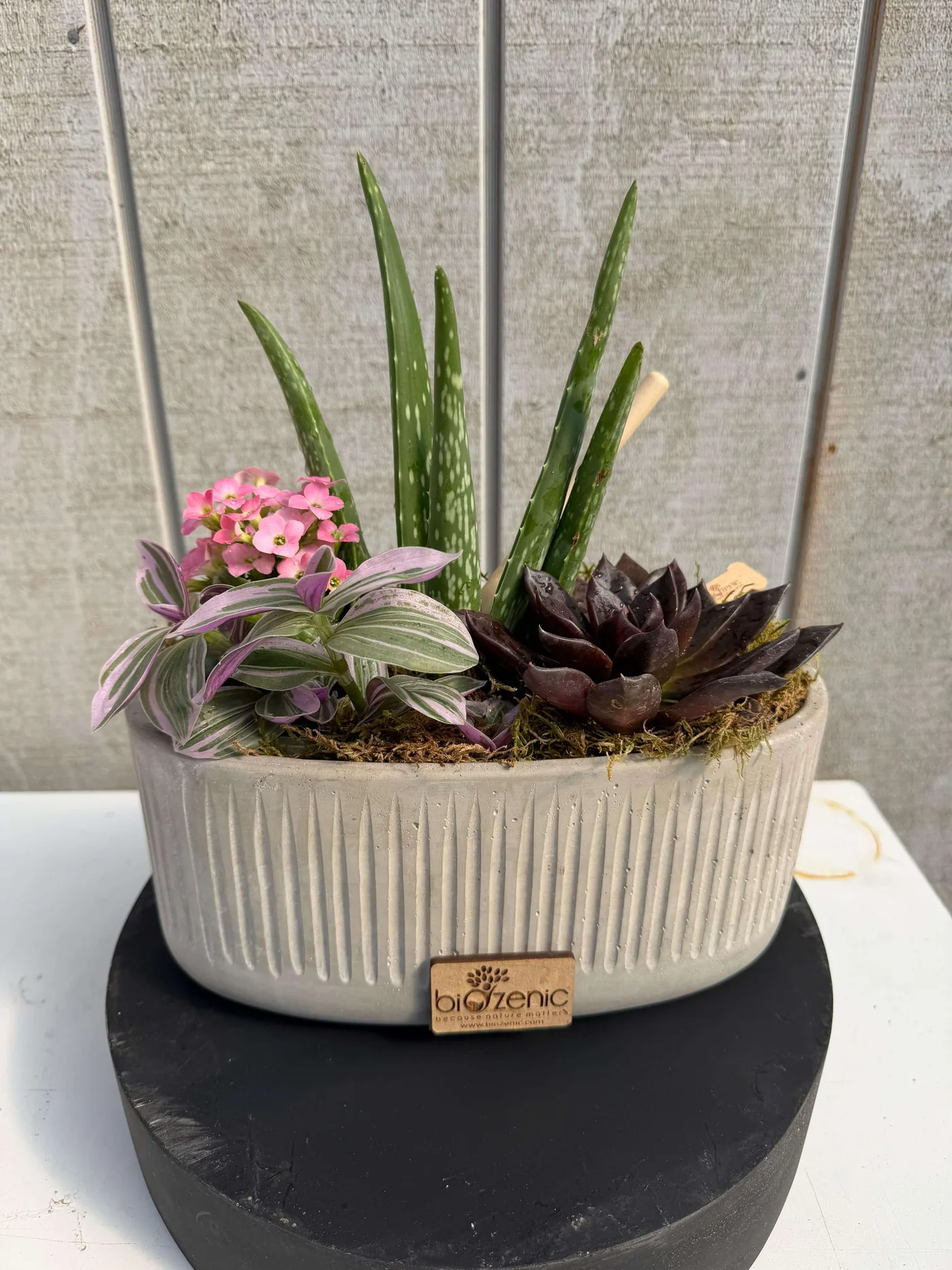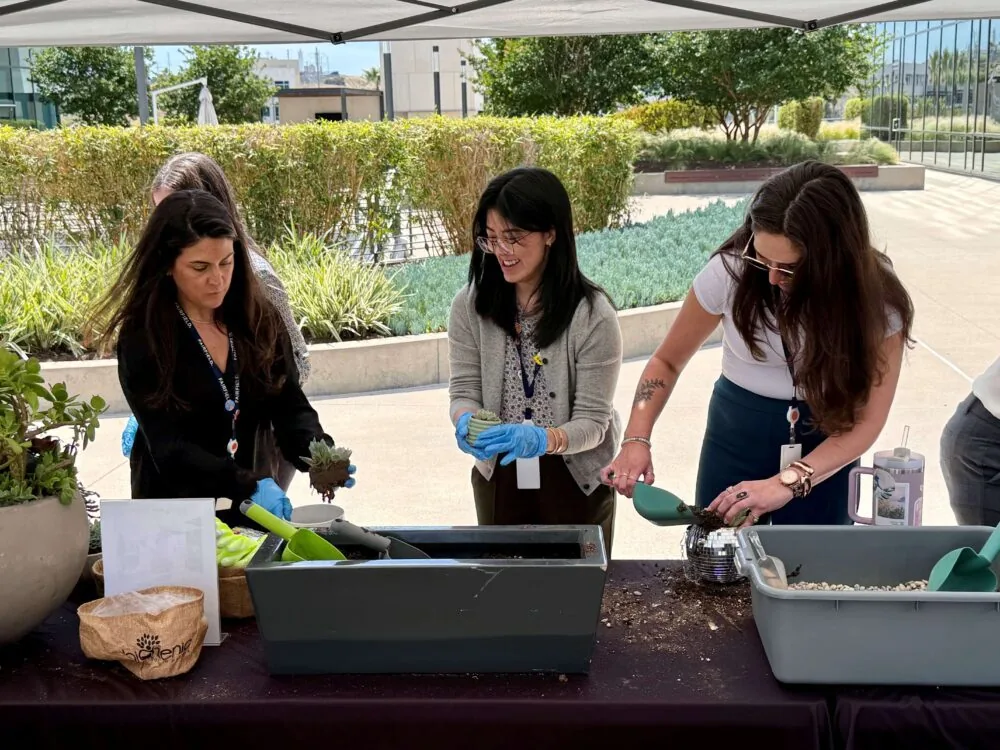
Earth Month is often a moment of awareness.
But the real impact happens through experience.
This month, we partnered with clients to bring sustainability into the workplace in a more tangible way — not as a concept to be communicated, but as something people could engage with, create, and carry with them beyond the session.
From the Workshop Floor
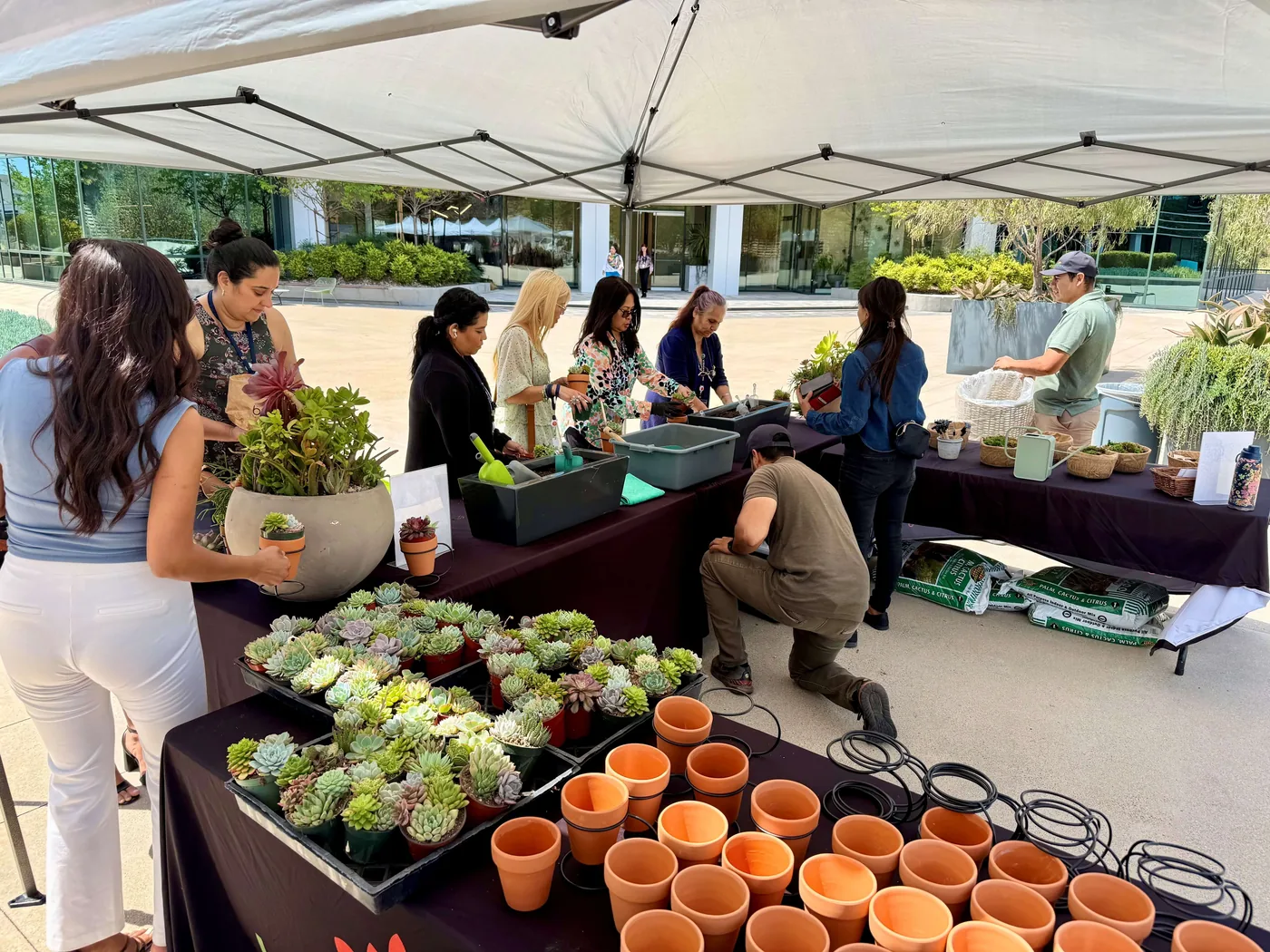
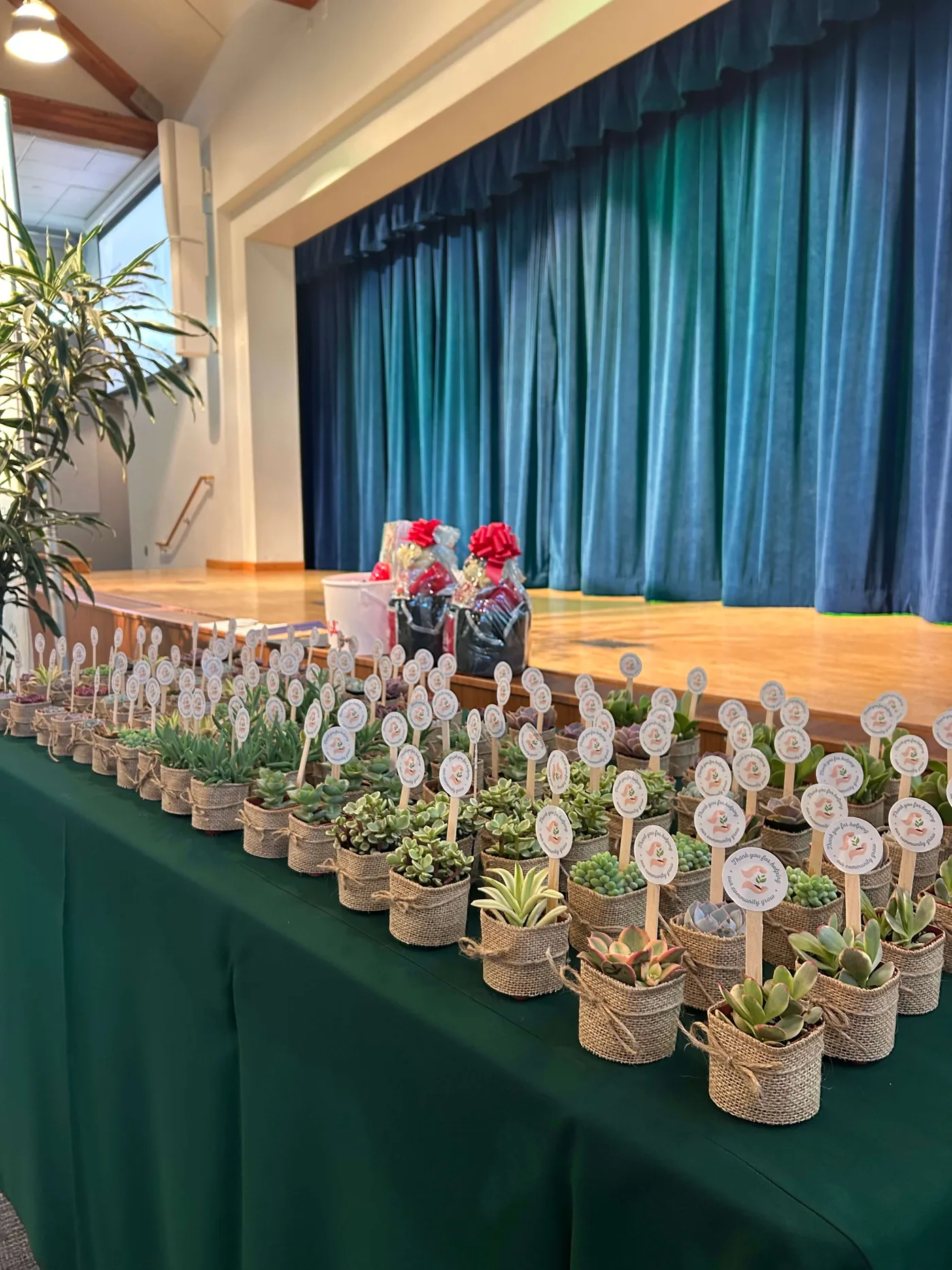
We started the week with a hands-on workshop, where teams stepped away from their screens and into a more grounded, physical interaction with nature.
What might seem like a simple activity revealed something more meaningful.
People slowed down. They focused. They connected — with the materials in front of them, with their colleagues beside them, and with something quieter that is easy to lose in a full workday.
In doing so, they experienced sustainability in a way that felt personal. Not as a corporate initiative. Not as a message on a poster. But as something they participated in and took ownership of.
That distinction matters more than most organizations realize.
Sustainability as a Lived Experience
Sustainability in the workplace is most commonly framed through systems and policies — waste reduction targets, procurement standards, energy audits. These matter. But long-term well-being is shaped just as much by daily interactions with the environment.
Workshops like these create a meaningful shift. From passive awareness to active participation. From abstract ideas to tangible connection. From one-time initiatives to habits that quietly persist.
When individuals engage directly with natural elements — even in small, accessible ways — it builds a deeper sense of responsibility and appreciation for the environment around them. Not because they were told to care, but because they experienced something worth caring about.
That connection is what sustains behavior over time. And it is a principle closely tied to how biophilic design works within permanent environments — the same instinct that makes a workshop feel grounding is what makes a well-designed space feel restorative day after day.
Designing for Sustainable Wellness
Wellness is not only about how people feel in a single moment. It is about what supports them consistently over time.
By integrating nature through interactive experiences, workplaces begin to build something more durable than a good afternoon. Teams that participate in shared, nature-based activities report greater mental reset and reduced stress, a stronger sense of ownership and care for their environment, and deeper team connection formed through doing rather than discussing.
These are not temporary effects from a one-off event. They are part of a larger framework of sustainable wellness — one where environment, behavior, and experience are aligned rather than operating in parallel.
This framework is also why the physical design of a space and the experiences held within it are not separate investments. They reinforce each other. A space designed around plant and planter integration creates the daily conditions that workshops like this one activate in a more concentrated way.
And when both are present, the impact compounds.
The Environment People Return To
There is a version of Earth Month that ends on April 30th.
A themed email. A recycling reminder. A one-time activity that people enjoyed and then moved on from.
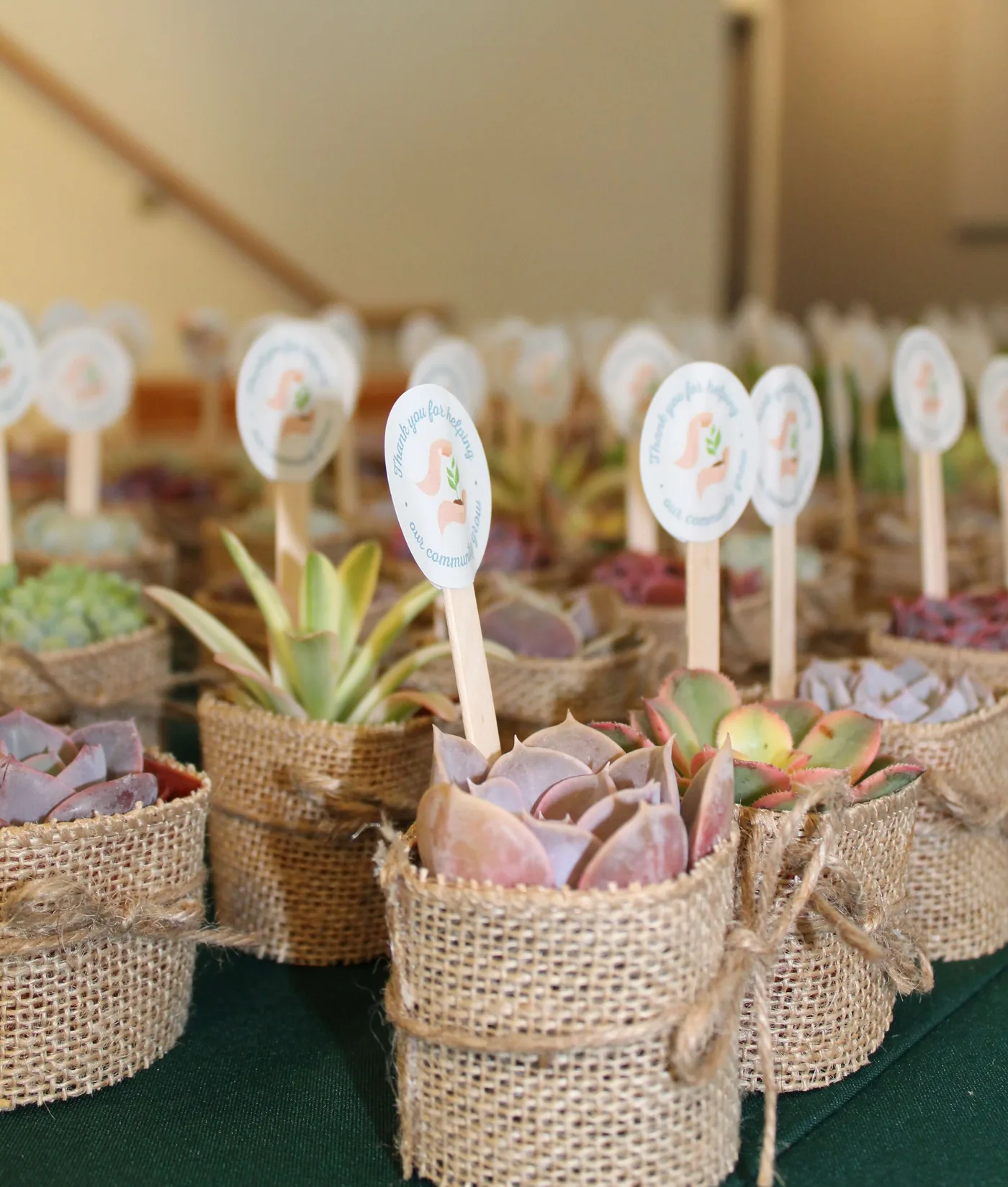
And then there is a version that leaves something behind — a shift in how people relate to the space they work in, a habit formed around a new kind of attention, a team that shared something real.
The difference lies in whether sustainability was discussed or experienced.
When it is experienced, it becomes part of how people understand their environment. And that understanding shapes behavior far beyond the moment it was created in.
For organizations thinking about how their workplace environment supports or depletes physical and mental energy, this is the same principle at work — the space and the experiences within it are either quietly building something or quietly eroding it.
Beyond Earth Month
Earth Day reminds us of our responsibility to the environment.
Earth Month reminds us of something deeper: that the environments we create, and how people interact with them, shape long-term well-being in ways that accumulate quietly over time.
The goal is not a single moment of impact. It is experiences that people return to, remember, and carry forward — into how they work, how they inhabit a space, and how they think about what their environment is actually for.
Because when sustainability is experienced and not just discussed, it becomes part of how people live and work every day.
Sustainability is not only built through design. It is reinforced through experience. And the most effective environments are the ones that make that connection feel natural, intuitive, and lasting.
Interested in bringing nature-based experiences or sustainable wellness design into your workplace? Explore what we do at Biozenic or reach out to start a conversation.