
Clarity is no longer optional in the workplace.
It is expected.
As people move between environments throughout the day, a contrast has become increasingly difficult to ignore. The spaces they live in often feel open, balanced, and visually calm. The spaces they work in do not always meet that same standard.
And that gap is being felt more than ever.
Clarity in Space, Clarity in Thinking
The mind responds to what it sees.
When environments are visually overwhelming, the brain works harder to filter distractions. Attention becomes fragmented. Focus becomes difficult to sustain. Small decisions feel heavier than they should. The day ends with a kind of tiredness that has less to do with the work itself and more to do with the constant low-level effort of processing a noisy environment.
But when a space is clear and intentional, something shifts.
Visual noise is reduced. Cognitive load is lighter. Thinking becomes more fluid — not because the work changed, but because the environment stopped competing with it.
Clarity in space does not just improve how a workplace looks. It directly influences how people process information, make decisions, and stay engaged throughout the day. This is where design moves beyond aesthetics and becomes a tool for cognitive ease.
It is also closely connected to what we explored in our piece on how workplace environments either drain or sustain physical energy — the mechanisms are different, but the principle is the same. Space shapes output. Always.
The Rise of Environmental Expectations
Workplace expectations have evolved significantly over the past several years.
Today, people are not only evaluating their roles or responsibilities when they assess a workplace. They are responding — often immediately and physically — to how a space makes them feel the moment they enter it.
In cities surrounded by natural light, openness, and environmental balance, this shift is especially pronounced. Daily life creates a baseline expectation for comfort and clarity. When workplaces fail to reflect that baseline, the contrast registers instantly.
Not always consciously. But physically and mentally.
Spaces that feel dense, visually cluttered, or constrained introduce subtle friction. Over time, that friction accumulates. It impacts focus, depletes energy, and quietly shapes how people feel about the place they spend most of their working hours.
Organizations that understand this are beginning to treat environmental quality not as a finishing touch, but as a foundational element of how performance is supported. The same thinking that drives investment in ergonomic workplace solutions applies here — because both address the same underlying question: what is the environment asking from the people inside it?
Reducing Mental Noise Through Design
Clear environments are not empty environments.
They are intentional ones.
The difference is important. Stripping a space of everything in pursuit of minimalism can feel cold and unsupportive. Intentional clarity, by contrast, guides attention instead of competing for it. Every element earns its place by contributing to how the space functions and feels.
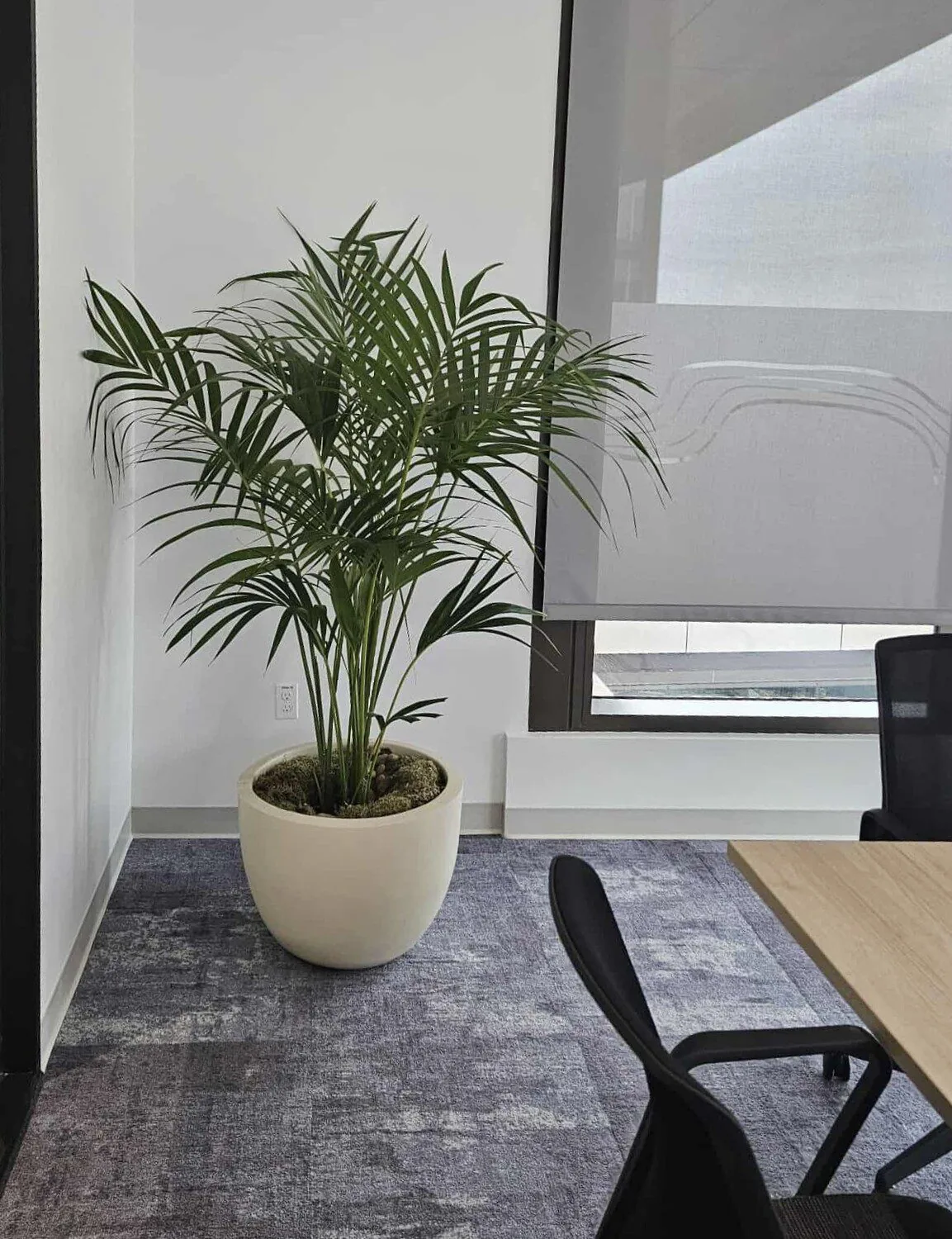
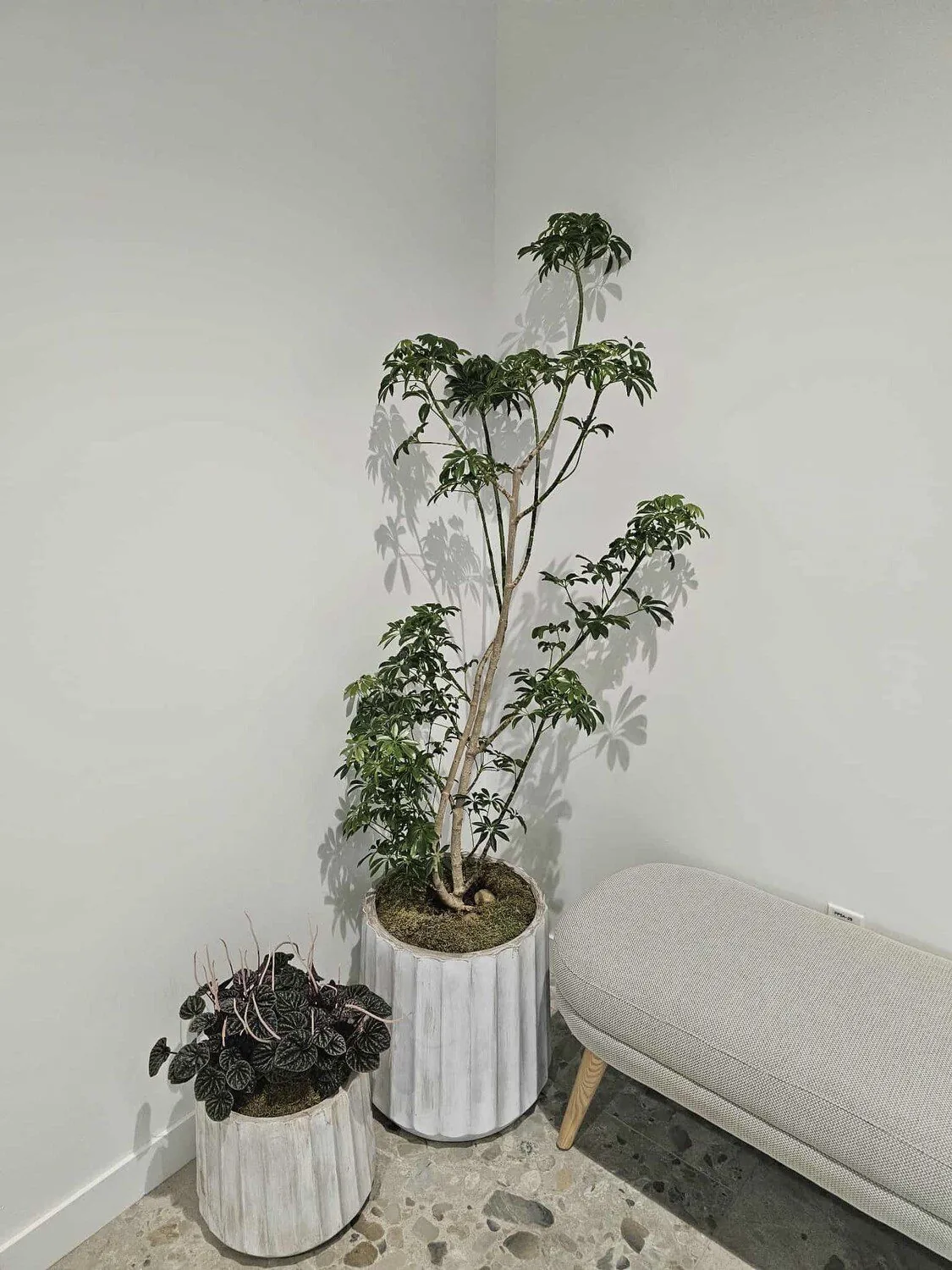
This is achieved through thoughtful spatial structure that makes movement intuitive, balanced layouts that prevent visual overcrowding, and the strategic use of materials, textures, and greenery to soften the environment without distracting from it. Defined zones that support both focus and collaboration — without overlap or ambiguity — complete the picture.
When these elements are aligned, the workplace begins to support the mind rather than tax it.
The result is not just improved focus. It is a noticeable reduction in the low-level stress that accumulates in spaces that were never fully resolved. This is also why plant and planter integration, when done with intention, contributes meaningfully to clarity — greenery, positioned correctly, softens visual edges and introduces a kind of natural rhythm that the brain finds inherently easier to process.
From Appearance to Cognitive Experience
Design is most commonly evaluated based on how it looks.
But its true impact is how it feels to think within it.
A well-designed environment does not demand constant adjustment. It does not require the brain to filter unnecessary input or adapt to a space that was built for appearance rather than use. Instead, it creates a sense of ease — and that ease allows people to direct their energy toward meaningful work rather than toward managing their environment.
This is a shift in how design is understood at a strategic level. Not as decoration applied after the real decisions have been made, but as the medium through which performance, well-being, and experience are either supported or undermined.
The spaces that do this well share a common quality. They feel finished — not in the sense of being static or unchanging, but in the sense of being resolved. Nothing is asking for attention that does not deserve it. Nothing is creating friction that does not need to exist.
A Shift in Workplace Strategy
Organizations continue to invest in productivity tools, workflow systems, and operational efficiency. These investments matter. But without addressing the environment in which all of that work takes place, their impact will always be limited.
Performance is not only driven by what people do. It is shaped by what surrounds them while they do it.
As environmental expectations continue to rise, clarity in space will become a defining factor in how workplaces are chosen, experienced, and valued. The organizations that recognize this early will not just have better-looking offices. They will have environments that quietly and consistently support the people inside them.
The mind responds to what it sees. When environments are visually overwhelming, focus becomes harder to sustain. When they are clear and intentional, thinking becomes easier.
Design shapes cognitive ease. And as expectations continue to evolve, the question every organization must answer becomes unavoidable.
Does your workplace support clarity — or compete with it?
At Biozenic, we design environments built around this question. Reach out to explore what clarity in space could look like for your workplace.